FR
FR 
Ingénierie des matériaux — Poids et densité
Pourquoi la fonte grise est-elle plus lourde que l'aluminium ?
Examinons de plus près les raisons au niveau atomique derrière l’écart de densité, où le poids supplémentaire devient un handicap et où il devient discrètement un avantage.
La réponse directe : la densité est la cause profonde
La fonte grise est plus lourde que l'aluminium et d'autres alternatives légères en raison d'une propriété physique fondamentale : densité . La fonte grise a une densité d'environ 7,1 à 7,3 g/cm³ , tandis que les alliages d'aluminium vont généralement de 2,6 à 2,8 g/cm³ . Cela signifie que pour une pièce de volume identique, la fonte grise pèsera environ 2,5 à 2,7 fois plus qu'un équivalent en aluminium. Il ne s’agit pas d’un défaut de fabrication ou de conception : c’est une caractéristique intrinsèque de la métallurgie fer-carbone-silicium qui définit la fonte grise comme une classe de matériaux. Des ingénieurs qui choisissent fonte grise pour un projet, nous faisons un compromis délibéré, acceptant une masse supplémentaire en échange d'autres avantages en termes de performances que les alternatives légères ne peuvent égaler.
Comprendre pourquoi cet écart de densité existe – et quand il est réellement important – nécessite de regarder au-delà d’un simple chiffre sur une fiche technique. Les sections suivantes détaillent les raisons au niveau atomique de la différence de poids, comparent la fonte grise aux matériaux légers courants et expliquent les situations pratiques dans lesquelles le poids supplémentaire constitue soit un inconvénient sérieux, soit, étonnamment, un avantage.
Pourquoi les atomes de fer pèsent plus que les atomes d'aluminium
Au niveau atomique, le fer transporte simplement plus de masse par atome que l’aluminium. Le fer a une masse atomique d’environ 55,85 g/mole , par rapport à l'aluminium 26,98 g/mole -environ le double. Étant donné que la fonte grise est composée principalement de fer (généralement 93 à 97 % en poids, allié avec du carbone, du silicium, du manganèse, du soufre et du phosphore), le poids atomique du métal de base domine la densité finale de la pièce moulée.
Le fer a également une structure cristalline cubique centrée sur le corps ou centrée sur la face, en fonction de la phase de température, ce qui permet aux atomes de se regrouper étroitement. La structure cubique à faces centrées de l'aluminium est tout aussi efficace en termes d'emballage, mais comme chaque atome pèse beaucoup moins, la densité apparente résultante est bien inférieure. Cette différence à l’échelle atomique constitue le point de départ incontournable de toute comparaison de poids entre la fonte grise et les alternatives à base d’aluminium.
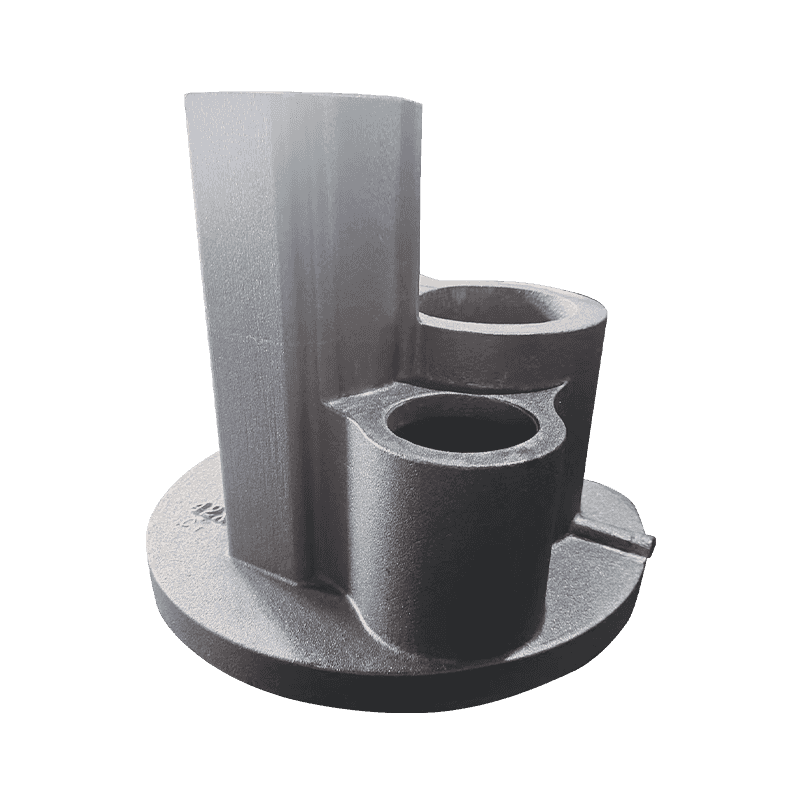
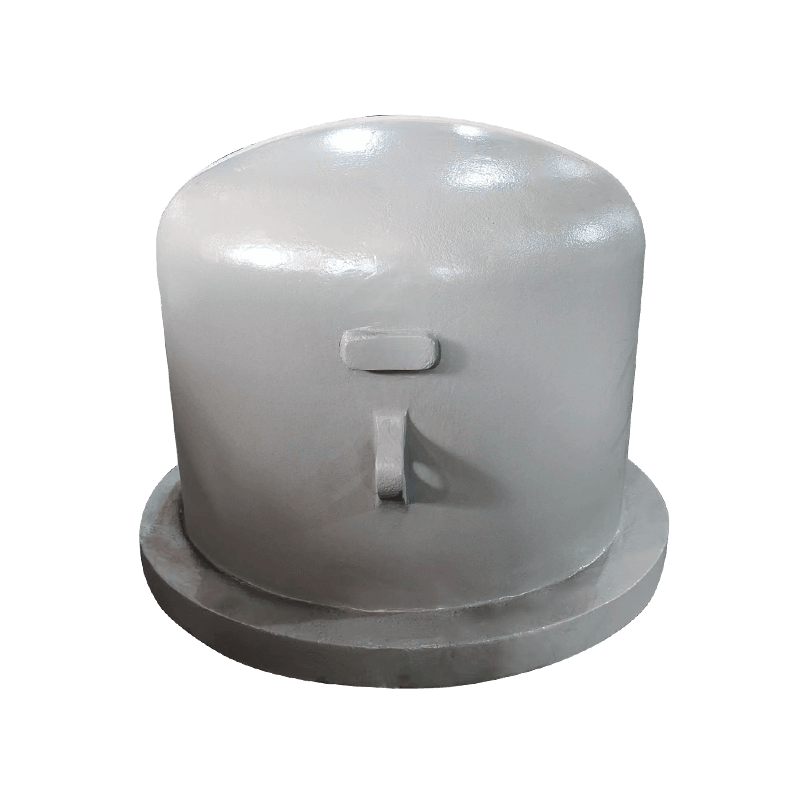
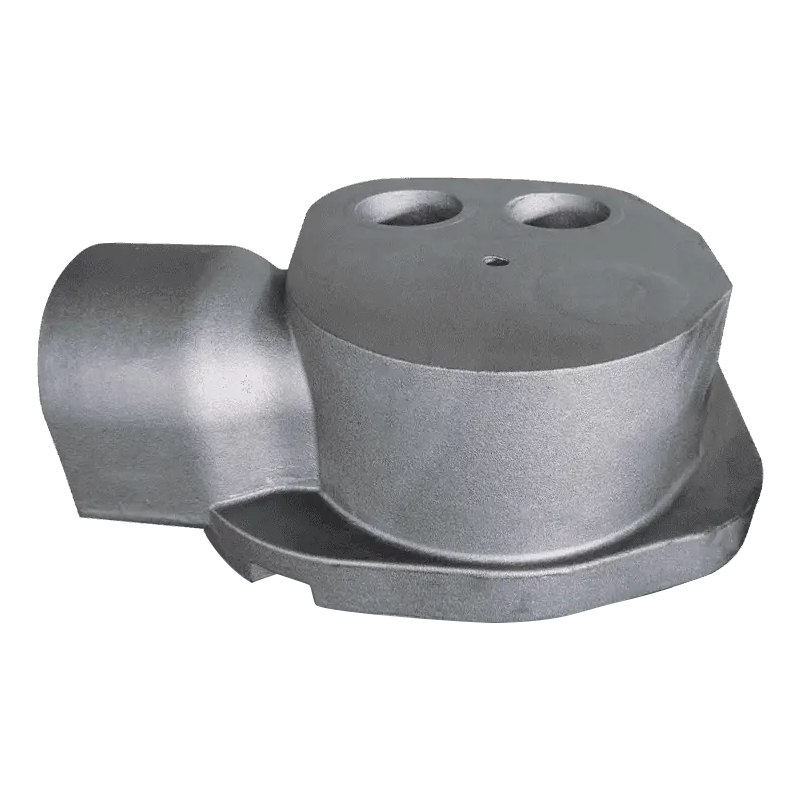
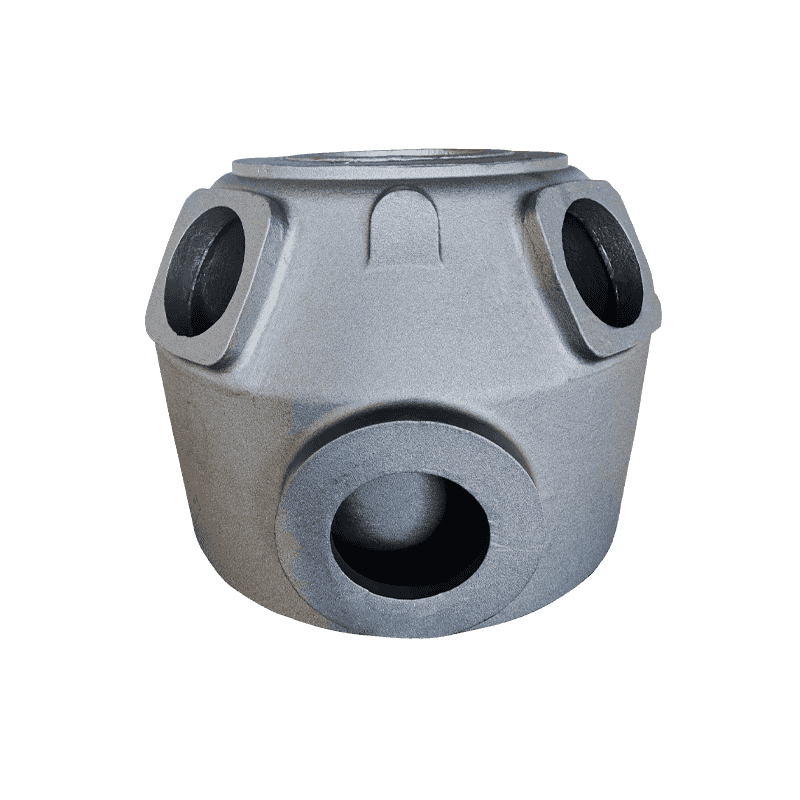
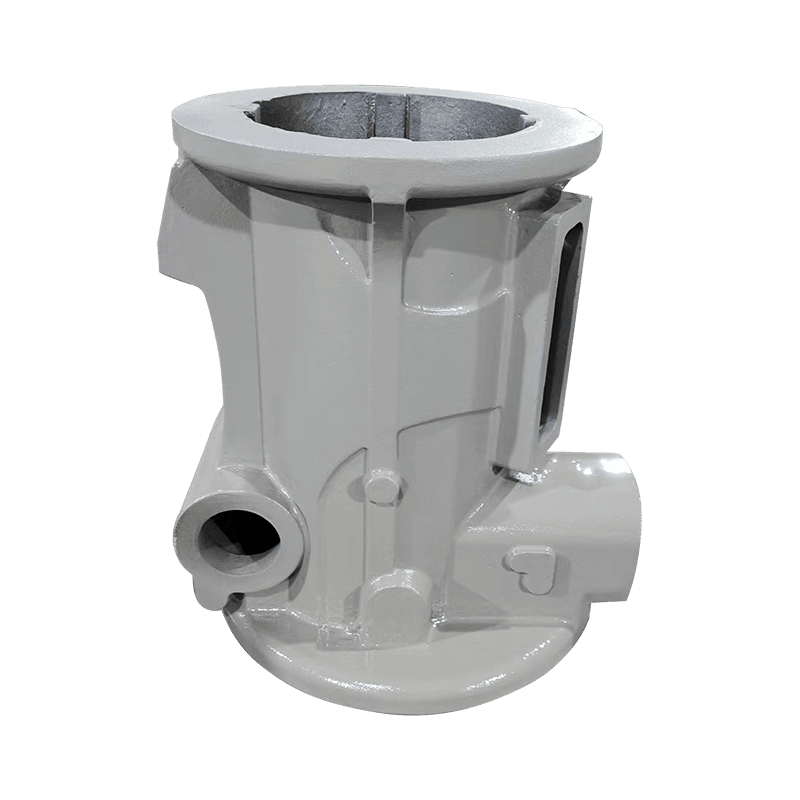
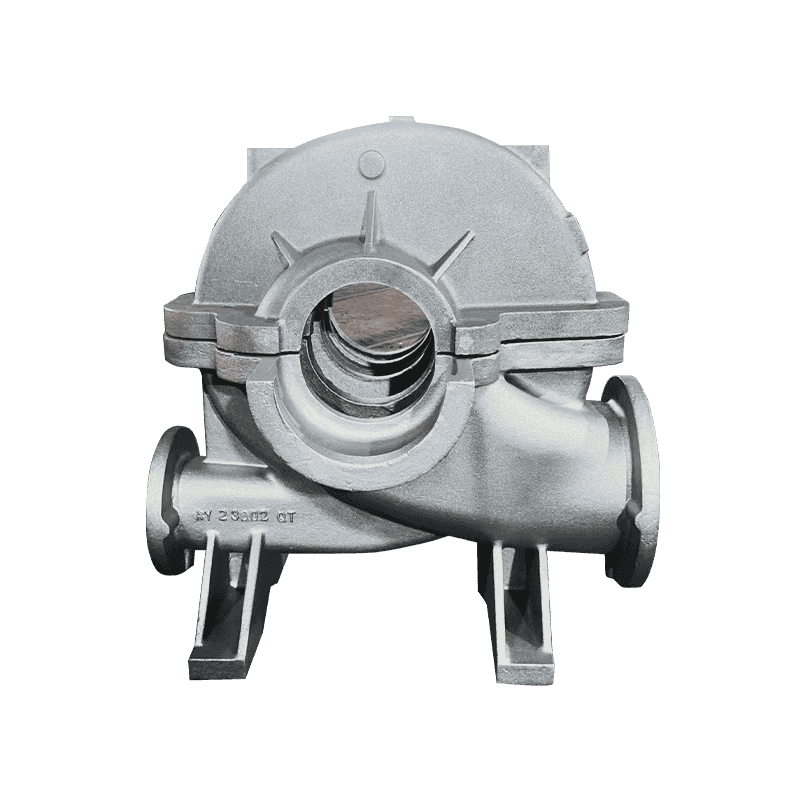
fonte grise
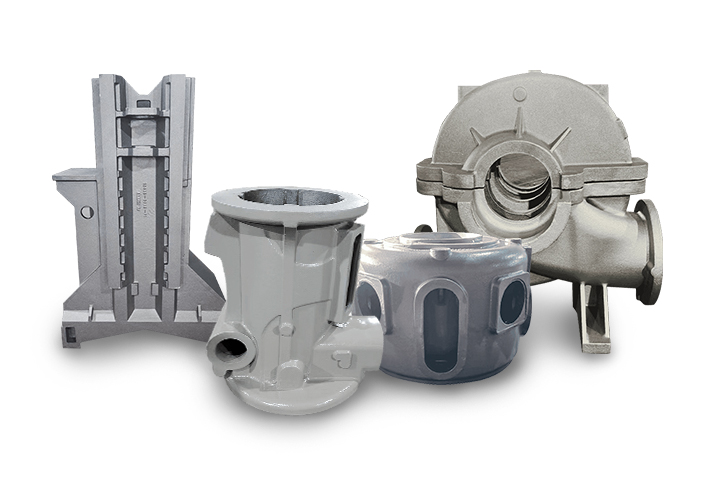
Comparaison de densité : fonte grise par rapport aux matériaux légers courants
Pour traduire concrètement le désavantage en termes de poids, le tableau ci-dessous compare la fonte grise aux matériaux les plus fréquemment proposés comme substituts légers dans les bases de machines, les carters et les supports structurels.
| Matériel | Densité (g/cm³) | Poids par rapport à la fonte grise |
|---|---|---|
| Fonte grise | 7.1 – 7.3 | Référence |
| Alliage d'aluminium (356/6061) | 2,6 – 2,8 | Environ 62 % plus léger |
| Alliage de magnésium | 1,7 – 1,9 | Environ 75 % plus léger |
| Acier de construction (doux) | 7,8 – 7,9 | Un peu plus lourd |
| Composite polymère renforcé de fibres | 1,5 – 2,0 | Environ 73 à 79 % plus léger |
Comme le montre le tableau, seul l'acier doux se rapproche de la densité de la fonte grise ; toutes les autres alternatives légères courantes sont nettement moins denses. C'est pourquoi les concepteurs travaillant avec des budgets de poids stricts (supports aérospatiaux, boîtiers d'équipements portables, panneaux de carrosserie automobile) ne spécifient presque jamais le moulage en fonte grise, sauf s'il existe une raison fonctionnelle spécifique de le faire.
Où le surplus de poids devient un réel problème
Transport et efficacité énergétique
Dans les applications automobiles et d’équipements mobiles, chaque kilogramme de masse supplémentaire se traduit par une consommation de carburant plus élevée ou une autonomie réduite de la batterie. Un bloc moteur en fonte grise peut peser 40 à 50 % de plus qu'un bloc en aluminium équivalent, c'est précisément pourquoi la plupart des véhicules de tourisme modernes ont remplacé les blocs moteurs et les culasses par de l'aluminium malgré le coût plus élevé des matériaux. Pour les constructeurs qui visent des normes d’économie de carburant ou des objectifs d’autonomie des véhicules électriques, cette pénalité de poids est souvent disqualifiante.
Chaque kilogramme retiré d'un composant mobile équivaut à un kilogramme que la transmission n'a plus besoin d'accélérer, de décélérer et de supporter pendant toute la durée de vie de la machine.
Coûts d'installation et de manutention
Les composants plus lourds nécessitent un équipement de levage plus robuste, un matériel de montage plus solide et plus de main d'œuvre lors de l'installation. Une pièce moulée en fonte grise utilisée comme base de machine, par exemple, peut nécessiter le montage d'une grue où un équivalent en aluminium pourrait être manipulé manuellement ou avec un simple palan. Cela augmente à la fois les coûts directs de main-d'œuvre et les délais des projets, en particulier dans les installations sur le terrain où l'accès aux équipements lourds est limité.
Expédition et logistique
Les coûts de transport sont souvent calculés au poids, en particulier pour le fret aérien et maritime international. Une pièce moulée en fonte grise expédiée à l'étranger peut coûter beaucoup plus cher à transporter qu'une alternative plus légère de même empreinte dimensionnelle, une considération importante pour les acheteurs qui s'approvisionnent en grands lots de pièces moulées auprès de fonderies étrangères.
Où le poids supplémentaire est en fait un avantage
Il est important de noter que le poids n’est pas toujours un inconvénient. Dans plusieurs catégories d’applications, la masse de fonte grise contribue directement à de meilleures performances fonctionnelles :
- Amortissement des vibrations : La structure en flocons de graphite en fonte grise absorbe les vibrations mécaniques beaucoup plus efficacement que l'aluminium, et la masse ajoutée stabilise davantage les bancs de machines-outils et les blocs moteurs contre la résonance.
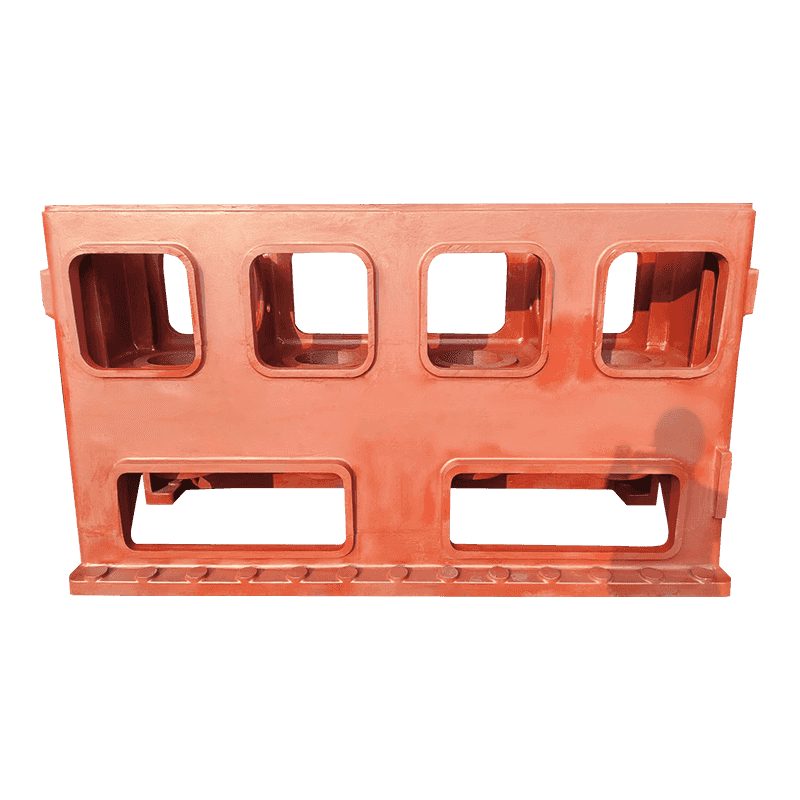
- Stabilité de la machine-outil : Les bases de machines plus lourdes résistent à la déflexion et au broutage lors des opérations de coupe de haute précision, c'est pourquoi les bâtis de tours CNC et les bâtis de fraiseuses sont encore couramment produits en fonte grise.
- Utilisations du contrepoids et du ballast : Dans les ascenseurs, les grues et les contrepoids industriels, la haute densité de la fonte grise est une exigence de conception plutôt qu'un inconvénient, car elle permet à un contrepoids compact de fournir une masse substantielle.
- Rétention de masse thermique : Les ustensiles de cuisine et les dissipateurs thermiques industriels bénéficient de l’inertie thermique offerte par un matériau plus dense, retenant la chaleur plus longtemps que les alternatives plus légères.
Succès — Quand le poids joue en votre faveur
Pour les équipements fixes sensibles aux vibrations, la masse supplémentaire de fonte grise ne représente pas un coût : c'est la raison pour laquelle l'équipement fonctionne bien en premier lieu.
Les acheteurs devraient évaluer les compromis coût-performance
Le choix entre la fonte grise et une alternative légère ne doit pas être basé uniquement sur le poids. Le coût des matières premières, l’usinabilité, les performances d’amortissement et la durabilité à long terme sont tous pris en compte dans le coût total de possession. La fonte grise coûte généralement 30 à 50 % de moins par kilogramme que l'alliage d'aluminium, et son excellente usinabilité réduit l'usure des outils pendant la production. Pour les applications statiques ou semi-statiques (bases de machines, corps de pompes, corps de vannes, disques de frein), la pénalité de poids affecte rarement les performances, ce qui fait de la fonte grise le choix le plus économique.
Avertissement – Les pièces mobiles aggravent la pénalité
Pour toute application où le composant bouge, accélère ou doit être transporté, le désavantage en termes de poids s’aggrave rapidement. Les pièces alternatives ou rotatives en fonte grise nécessitent plus d'énergie pour accélérer et décélérer, ce qui augmente l'usure des roulements, des moteurs et des systèmes d'entraînement au cours de la durée de vie du composant.
L’inconvénient du poids peut-il être réduit grâce à la conception ?
Les fonderies et les ingénieurs concepteurs disposent de certains outils pour compenser le désavantage de densité de la fonte grise sans changer complètement de matériau :
- Les conceptions nervurées et alvéolées éliminent l'excès de matériau des sections non porteuses, réduisant ainsi le poids global du moulage de 15 à 25 % sans sacrifier la rigidité.
- L'optimisation de l'épaisseur des parois grâce à l'analyse par éléments finis identifie les zones où le matériau peut être dilué en toute sécurité.
- Les géométries creuses ou en caisson à la place des blocs pleins réduisent la masse tout en maintenant la rigidité structurelle.
- Les assemblages hybrides associent une fonte grise pour les zones à forte usure ou sensibles aux vibrations avec des matériaux plus légers ailleurs dans la même structure.
Info — Gérer les attentes
Ces stratégies comblent rarement l'écart de densité complet avec l'aluminium, mais elles peuvent le réduire de manière significative tout en préservant les avantages d'amortissement et de coût qui rendent la fonte grise attrayante en premier lieu.
Conclusion finale pour les acheteurs et les ingénieurs
La fonte grise est plus lourde que l'aluminium et d'autres alternatives légères uniquement en raison de sa densité atomique plus élevée, et non en raison de mauvaises pratiques de fonderie ou d'une conception inefficace. Que cela soit important dépend entièrement de l'application : pour les composants fixes, sensibles aux vibrations ou dont le coût est important, la fonte grise reste l'un des choix les plus pratiques et les plus économiques disponibles. Pour les applications où la mobilité, l’efficacité énergétique ou la logistique de manutention sont des priorités, le désavantage en termes de poids est une raison légitime pour évaluer plutôt des alternatives en aluminium, en magnésium ou en composite. Comprendre ce compromis, plutôt que de traiter le poids comme un négatif universel, est la clé pour spécifier le bon matériau pour le bon travail.
Danger – La seule erreur à éviter
N'utilisez pas par défaut la fonte grise pour un assemblage mobile ou dont le poids est critique simplement en raison de son coût de matériau inférieur : les coûts d'énergie, d'usure et de manutention en aval peuvent dépasser plusieurs fois les économies initiales.